How Better Shop Organization Improves Safety and Productivity
September 10, 2026
In many workshops, organization is often viewed as a housekeeping task rather than a business priority. When schedules are busy and projects are moving quickly, it's easy for tools, materials, and supplies to accumulate wherever there is available space.
While this may seem harmless in the short term, disorganization can pose safety risks, slow workflows, and lead to unnecessary costs.
A well-organized shop does more than look professional. It helps employees work more safely, locate materials faster, protect valuable equipment, and maintain productivity throughout the workday.
Even small improvements in organization can deliver meaningful benefits across an entire operation.
Organization Reduces Workplace Safety Hazards
One of the most immediate benefits of an organized shop is improved safety. Cluttered work areas increase the likelihood of accidents, particularly in environments where employees are moving equipment, handling materials, or operating machinery.
Tools left on work surfaces, materials stacked in walkways, and hoses or cords stretched across traffic areas can quickly become hazards. These obstacles increase the risk of trips, falls, and other workplace injuries, which can disrupt operations and affect employee well-being.
Proper organization helps keep pathways clear and ensures equipment is stored where it belongs when not in use. Clearly designated storage locations also improve visibility throughout the shop and make it easier for employees to maintain safe working conditions daily.
Additionally, organized workspaces help ensure that emergency exits, fire extinguishers, and safety equipment remain accessible when needed most.
Employees Spend Less Time Searching for Tools and Supplies
Lost productivity often comes from unexpected places. One of the most common examples is time spent searching for tools, consumables, or replacement parts.
A few minutes spent looking for a fitting, clamp, cable tie, or hand tool may not seem significant on its own. However, when these delays occur repeatedly throughout the day, they can add up to a substantial amount of lost productive time.
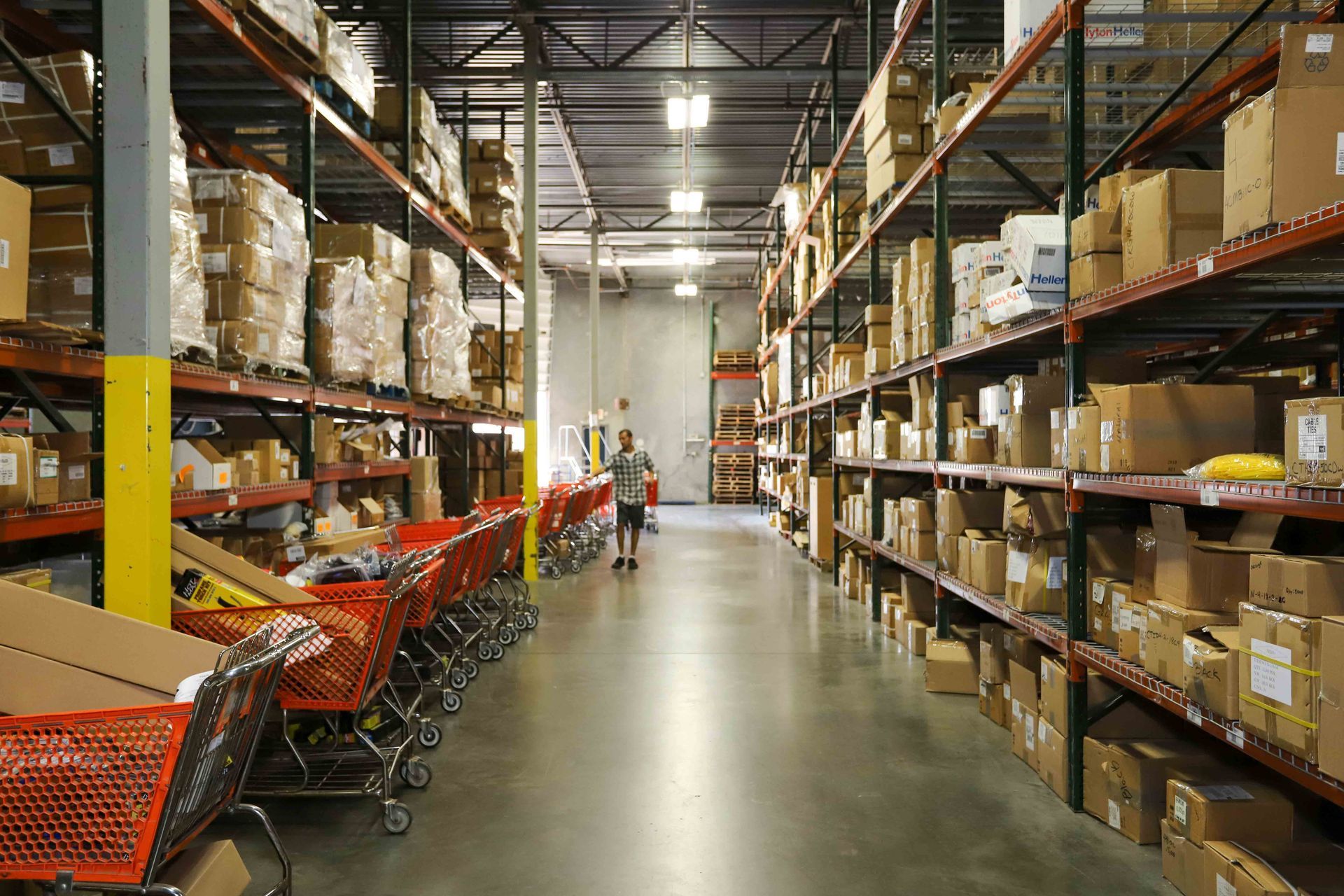
Organized shops establish designated locations for commonly used items and ensure employees know where supplies are stored. Labels, storage bins, shelving systems, and inventory management practices make it easier to locate materials quickly and get back to work.
When employees can access the items they need without unnecessary delays, projects move forward more efficiently and daily operations become more predictable.

Better Organization Helps Protect Equipment and Inventory
Tools and supplies represent a significant investment for any workshop. Unfortunately, improper storage often leads to avoidable damage, premature wear, and unnecessary replacement costs.
Equipment that is left exposed to dust, moisture, impacts, or heavy traffic may not perform as expected over time. Similarly, consumables that are scattered throughout the shop are more likely to be misplaced, damaged, or forgotten altogether.
A structured storage system helps protect these investments. Designated storage areas keep equipment secure and make it easier to monitor inventory levels. Employees can quickly determine what is available, what needs to be reordered, and which products are being used most frequently.
Better visibility into inventory also reduces the risk of overordering supplies and helps prevent shortages that could interrupt ongoing work.
Organized Workspaces Support More Efficient Workflows
The physical layout of a shop has a direct impact on productivity. When equipment, materials, and tools are arranged logically, employees spend less time walking between workstations, gathering supplies, or navigating around obstacles.
Organized shops often group related tools and materials together based on how they are used. This approach reduces unnecessary movement and allows employees to complete tasks more efficiently.
For example, keeping commonly used consumables near workstations minimizes interruptions and helps maintain workflow momentum throughout the day. Similarly, organizing inventory so that frequently used items are easy to access reduces bottlenecks during busy periods.
As workflows become more streamlined, employees can focus on completing quality work rather than managing unnecessary distractions or delays.
Small Changes Often Deliver the Biggest Results
Improving organization does not require a complete shop redesign. In many cases, small adjustments can produce noticeable improvements.
Simple steps may include:
- Labeling shelves and storage bins
- Establishing designated locations for commonly used items
- Creating inventory management procedures
- Scheduling routine cleanup and inspection days
- Encouraging employees to return tools and supplies after use
The key is consistency. An organization system works best when it becomes part of the shop's daily routine rather than an occasional cleanup project.
When everyone follows the same system, maintaining an organized work environment becomes easier and more sustainable over the long term.
Building a Stronger Foundation for Productivity
A well-organized shop is about much more than appearance. It creates a safer working environment, helps protect valuable equipment, improves access to tools and materials, and supports more efficient workflows throughout the day.
By taking a proactive approach to organization, businesses can reduce safety risks, minimize wasted time, and improve overall operational performance. Small improvements implemented consistently often lead to significant long-term gains.
Whether you're stocking consumables, replacing worn accessories, or looking for dependable shop supplies to keep operations running smoothly, KDAR Company provides the products and support workshops need to stay organized, productive, and prepared for the work ahead.
Contact our team of experts today!