Getting Your Pressure Washer Ready for Spring Work
April 13, 2026
Spring is when pressure washers move from storage to daily use.
The fastest way to lose productivity is firing one up without checking hoses, fittings, and accessories first.
A short spring prep saves time, prevents breakdowns, and keeps jobs moving once demand picks up.
Why spring prep matters for pressure washers
Winter storage is hard on pressure washer systems. Cold temperatures, moisture, and inactivity can quietly damage hoses, fittings, and connections.
If you skip spring prep, you increase your risk of failure or poor performance.
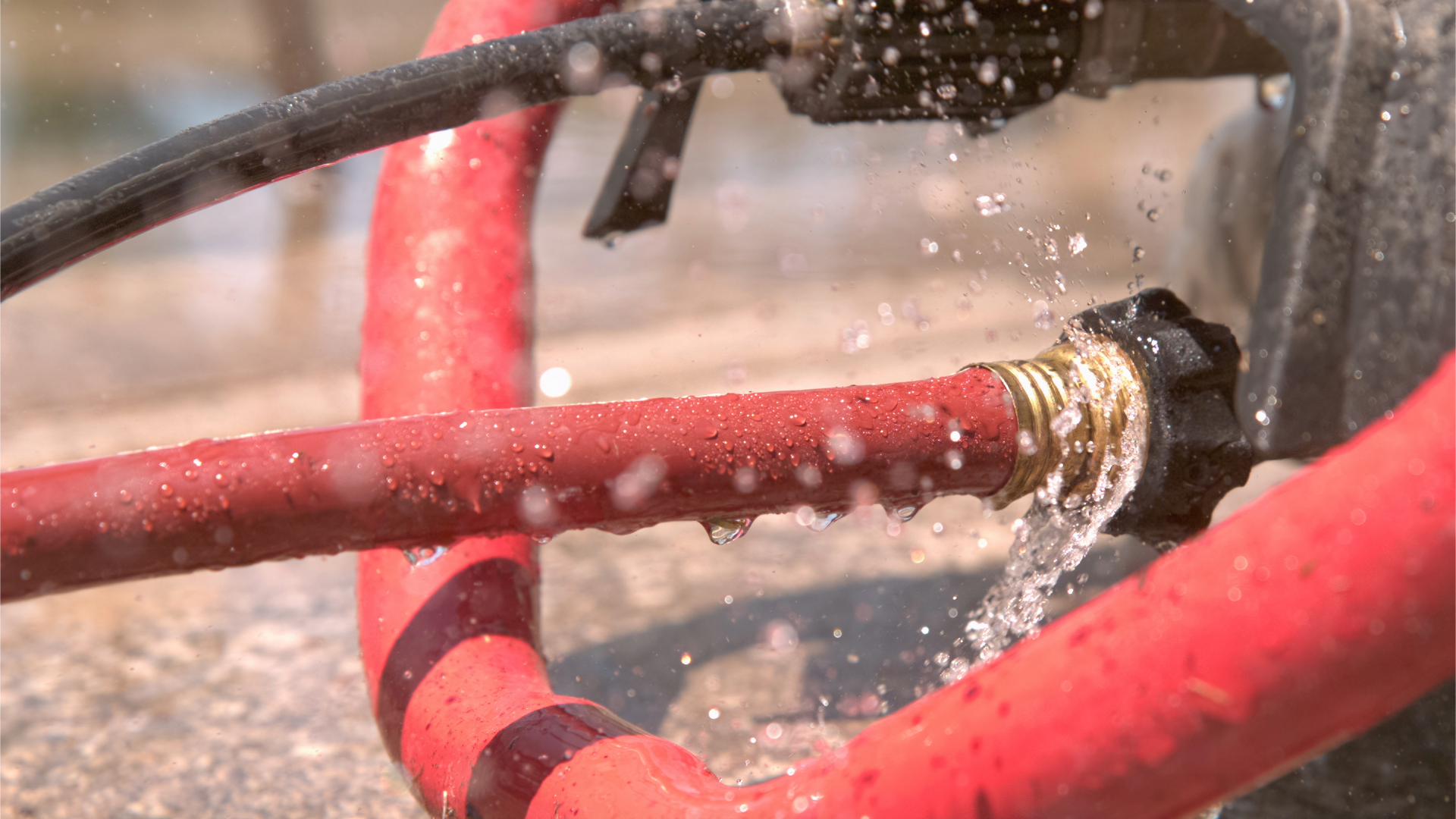
- Leaks during operation
- Reduced pressure or inconsistent flow
- Hose or fitting failures mid-job
- Lost time troubleshooting instead of cleaning
A few checks now help you avoid problems when schedules are tight.
What should you inspect before using a pressure washer?
Start with the parts that take the most abuse. Small components often cause the biggest failures.
Check these areas first:
- Hoses for cracks, soft spots, or bulges
- Hose clamps for corrosion or looseness
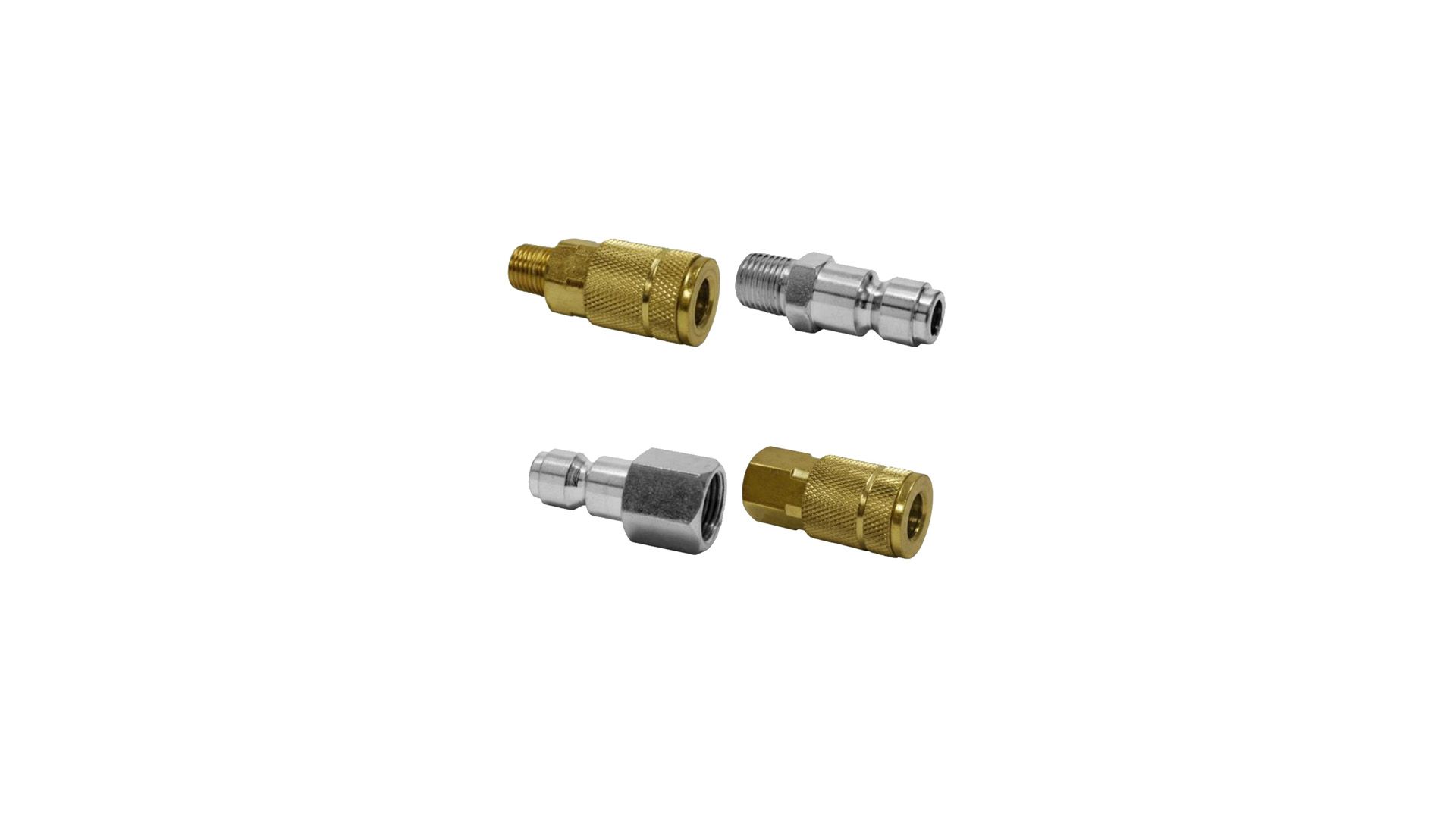
- Fittings and couplers for wear or leaks
- Spray guns and wands for sticking triggers
- Connections at the pump and inlet
If anything looks worn, it usually is.
How hoses fail after winter storage
Pressure washer hoses often fail early in the season because damage occurred months earlier.
Common winter-related hose issues include:
- Cracking from cold exposure
- Stiffness that leads to splitting under pressure
- Internal weakening from trapped moisture
Replacing a damaged hose before spring work begins prevents sudden blowouts during operation.
Why hose clamps and fittings deserve attention
Hose clamps and fittings are easy to overlook, but they handle constant pressure and vibration.
Look for:
- Rust or corrosion on metal clamps
- Loose clamps that allow hoses to slip
- Deformed fittings that no longer seal properly
A small leak may seem minor, but it often worsens as pressure increases.
How pressure washer accessories affect performance
Accessories directly impact how efficiently your pressure washer works.
Inspect:
- Nozzles for clogs or uneven spray patterns
- Quick-connect fittings for secure engagement
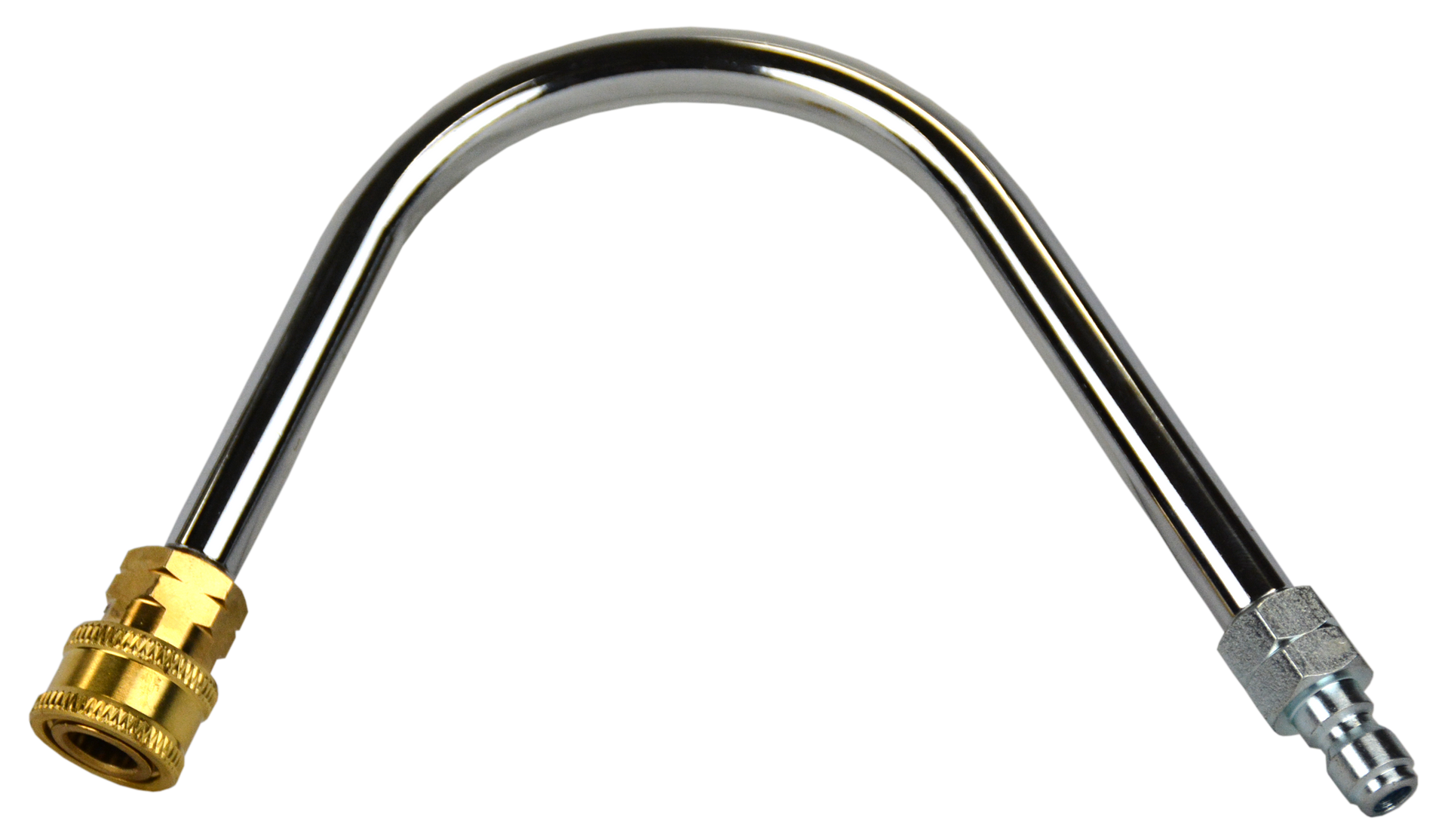
- Extension wands for cracks or loose joints
Worn accessories reduce cleaning power and increase strain on the system.
What happens when you skip spring maintenance
Skipping spring prep usually leads to problems at the worst possible time.
Common issues include:
- Sudden hose failures mid-job
- Pressure loss that slows cleaning
- Emergency trips for replacement parts
- Missed deadlines due to equipment downtime
These problems cost more during peak season than they do in early spring.
How spring prep improves safety
Pressure washer failures create safety risks, not just delays.
Proper prep helps prevent:
- High-pressure leaks near operators
- Hose whip from sudden failures
- Slips caused by unexpected water release
- Improvised fixes that fail under pressure
Reliable equipment keeps work controlled and predictable.
When to replace instead of reuse parts
Spring is the right time to replace questionable components, not push them another season.
Replace parts when:
- Hoses show visible damage or stiffness
- Clamps no longer tighten securely
- Fittings leak even after adjustment
- Accessories show uneven wear
Replacing small parts early reduces the chance of larger failures later.
What spring readiness really means for Power Washers
Spring readiness means your pressure washer works when you need it, without surprises.
It is not about overhauling everything; it's about confirming that hoses, clamps, and fittings can handle real-world pressure.
A few minutes of inspection now keeps your equipment reliable all season.
Connect with The Team at KDAR Company
Spring is the right time to replace questionable parts before they cause downtime.
If you need help selecting pressure washer hoses, clamps, or fittings that match your workload, connect with the team at KDAR Company.
Our focus is on helping you choose components that perform consistently so you can stay focused on the job, not on equipment issues.