Submerged Arc Welding (SAW) Tips and Tricks
November 14, 2023
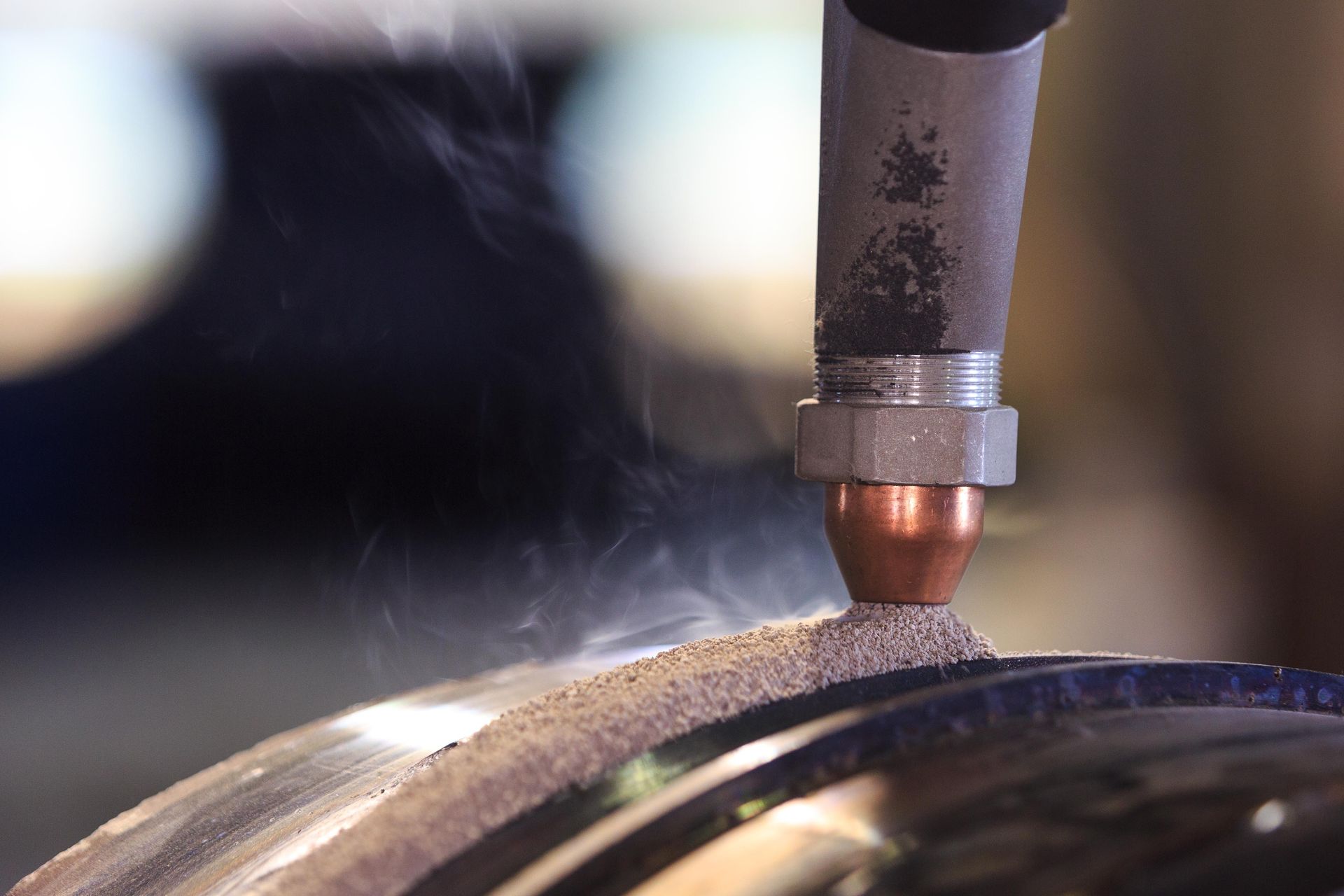
Submerged arc welding is a highly effective process that can result in intense, high-quality welds. Industry experts recognize it for its high deposition rates and deep weld penetration. The process involves the formation of an arc between a continuously fed bare electrode and the workpiece, with the arc completely submerged beneath a blanket of granular fusible flux, protecting the weld pool from atmospheric contamination.
Several essential tips and tricks can significantly contribute to the quality and efficiency of the welds. These tips and tricks are necessary for beginners new to submerged arc welding and experienced welders looking to enhance their skills and achieve optimal results in submerged arc welding.
Flux and Wire Selection
Proper flux and wire selection are crucial for achieving high-quality welds in submerged arc welding. The choice is paramount, as different types are available, each with specific characteristics suited for various applications. Selecting the right combination of flux and wire is essential and is based on factors such as the base metal, welding position, and desired weld properties.
Maintain Proper Electrical Parameters
Controlling the electrical parameters, such as voltage, current, and travel speed, is critical for achieving the desired weld characteristics. Proper manipulation of these parameters ensures appropriate penetration, fusion, and deposition rates. Maintaining consistent electrical parameters throughout welding is also essential for uniform weld quality.
Preheat and Interpass Temperature Control
Preheating the workpiece and controlling interpass temperatures are vital for preventing cracking and ensuring sound welds, particularly when welding thick materials; this helps reduce the cooling rate and minimize the risk of hydrogen-induced cracking. At the same time, interpass temperature control prevents excessive heat input, which can lead to distortion and micro-structural changes.
Proper Joint Preparation and Fit-Up
Adequate joint preparation and fit-up are essential for successful submerged arc welding. Proper joint design, bevel angle, and fit-up minimize the risk of defects and ensure complete joint penetration. Additionally, cleaning the joint surfaces from contaminants, such as oil, grease, and rust, is crucial for achieving high-quality welds.
Welding Technique and Travel Speed
Adopting the correct welding technique and maintaining consistent travel speed will significantly impact submerged arc welds' quality. Employing the appropriate weaving or oscillation pattern with the right travel speed helps ensure uniform fusion and proper weld reinforcement. Maintaining a steady, straight travel path is crucial for achieving consistent weld bead geometry.
Post-Weld Cleaning and Inspection
After completing the welding process, thorough post-weld cleaning and inspection are essential steps for ensuring the integrity and quality of the weld. Removing the flux residues using appropriate methods, such as brushing or grinding, is crucial to prevent contamination and facilitate subsequent non-destructive testing. Furthermore, conducting comprehensive visual and NDT inspections helps detect defects and ensures the weld meets specified requirements.
Mastering submerged arc welding requires attention to detail and adherence to best practices. By implementing the tips and tricks discussed, welders can enhance their submerged arc welding skills and achieve superior weld quality. From proper flux and wire selection to meticulous post-weld inspections, each aspect plays a vital role in successfully executing submerged arc welding. With continuous practice and application of these tips, welders can elevate their proficiency in submerged arc welding and deliver exceptional results.
Work With KDAR Company
KDAR Company understands welders' challenges, so we provide top-tier welding equipment and supplies to support your endeavors. By staying up-to-date with industry best practices, embracing proper equipment usage, and adhering to safety protocols, you can ensure that your welding projects are a testament to precision and excellence.
Remember, welding is both an art and a science, and by arming yourself with knowledge, you're paving the way for welding success. Contact us today!